

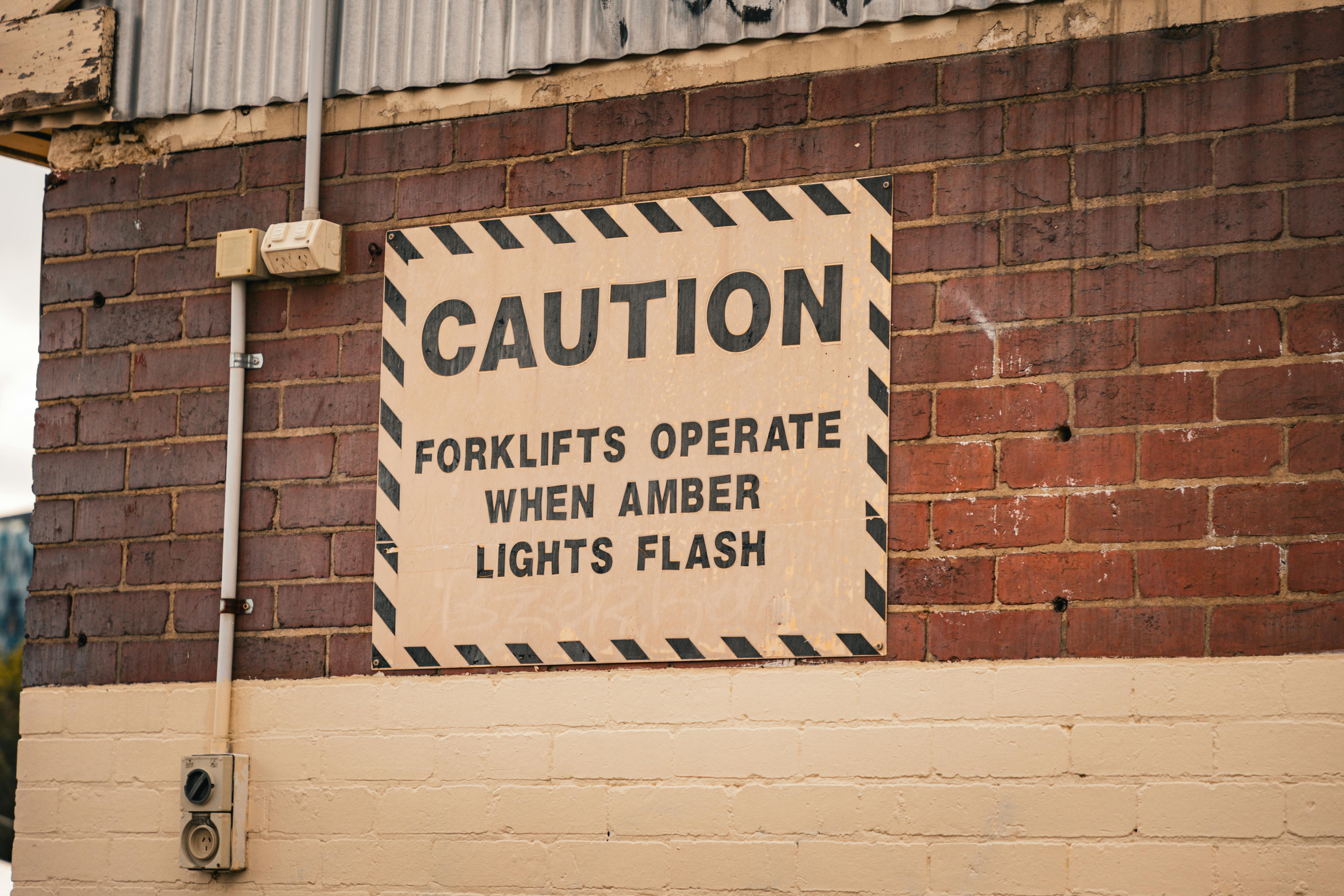
Forklifts are one of the most useful pieces of equipment in any warehouse or industrial facility. They’re also one of the most dangerous. The Health and Safety Executive estimates that forklift trucks are involved in around 25% of all workplace transport accidents in the UK, a figure that hasn’t shifted significantly in years.
For North East employers, the legal and moral responsibility is clear. But understanding what good forklift safety actually looks like in practice is where many businesses fall short. This guide covers the essentials: what the law requires, where the risks lie, and how forklift services such as training and maintenance can protect your people and your business.
Why forklift safety should be a board-level concern
A forklift accident isn’t just a tragedy for the person involved. It can mean HSE investigation, significant fines, reputational damage, and in serious cases, criminal prosecution for directors and managers. Under the Health and Safety at Work Act 1974, employers have a duty to ensure the safety of anyone affected by their operations, and that duty extends directly to how forklifts are managed on site.
The risks are real. Forklift accidents cause around 7 deaths and over 600 serious injuries every year in the UK, according to HSE data. Many are preventable with the right combination of trained operators, well-maintained equipment, and a safe working environment.
The three pillars of forklift safety
Effective forklift safety rests on three things working together: operator training, regular equipment maintenance, and a well-managed site. Weakness in any one of them creates risk.
Operator training: the foundation of safe forklift use
An untrained or inadequately trained operator is the single biggest risk factor in forklift accidents. The law is clear on this. Under the Provision and Use of Work Equipment Regulations 1998 (PUWER), employers must ensure that anyone operating a forklift has received adequate training for the specific type of truck they are using and the environment they are working in.
RTITB-accredited training is the recognised standard in the UK. It covers pre-use checks, safe operating procedures, load handling, and emergency protocols. Critically, it is type-specific – a licence to operate a counterbalance truck does not qualify someone to operate a reach truck or a Flexi.
Refresher training matters too. Skills deteriorate over time, and bad habits develop. Most health and safety professionals recommend refresher training every three to five years, or sooner if an incident occurs or an operator changes truck type.
We offer RTITB-accredited forklift training courses for both new and experienced operators, delivered at our centre or on-site at your facility across the North East.
Regular servicing: keeping equipment safe and legal
A forklift in poor mechanical condition is a hazard, regardless of how skilled the operator is. Brake failure, hydraulic faults, and mast defects are among the most common causes of serious accidents, and most are detectable through routine maintenance.
LOLER (the Lifting Operations and Lifting Equipment Regulations 1998) requires forklifts to undergo a thorough examination by a competent person at least every 12 months, or every six months if the truck is used to carry people. This is a legal minimum, not a recommended best practice. Many operators go beyond this with planned preventive maintenance programmes that catch issues before they become failures.
Our forklift servicing team covers the North East with planned maintenance programmes and 24/7 breakdown support. Factory-trained on Mitsubishi equipment and experienced across a wide range of brands, our engineers keep your fleet compliant and your operation running.
Site management: designing safety into your operation
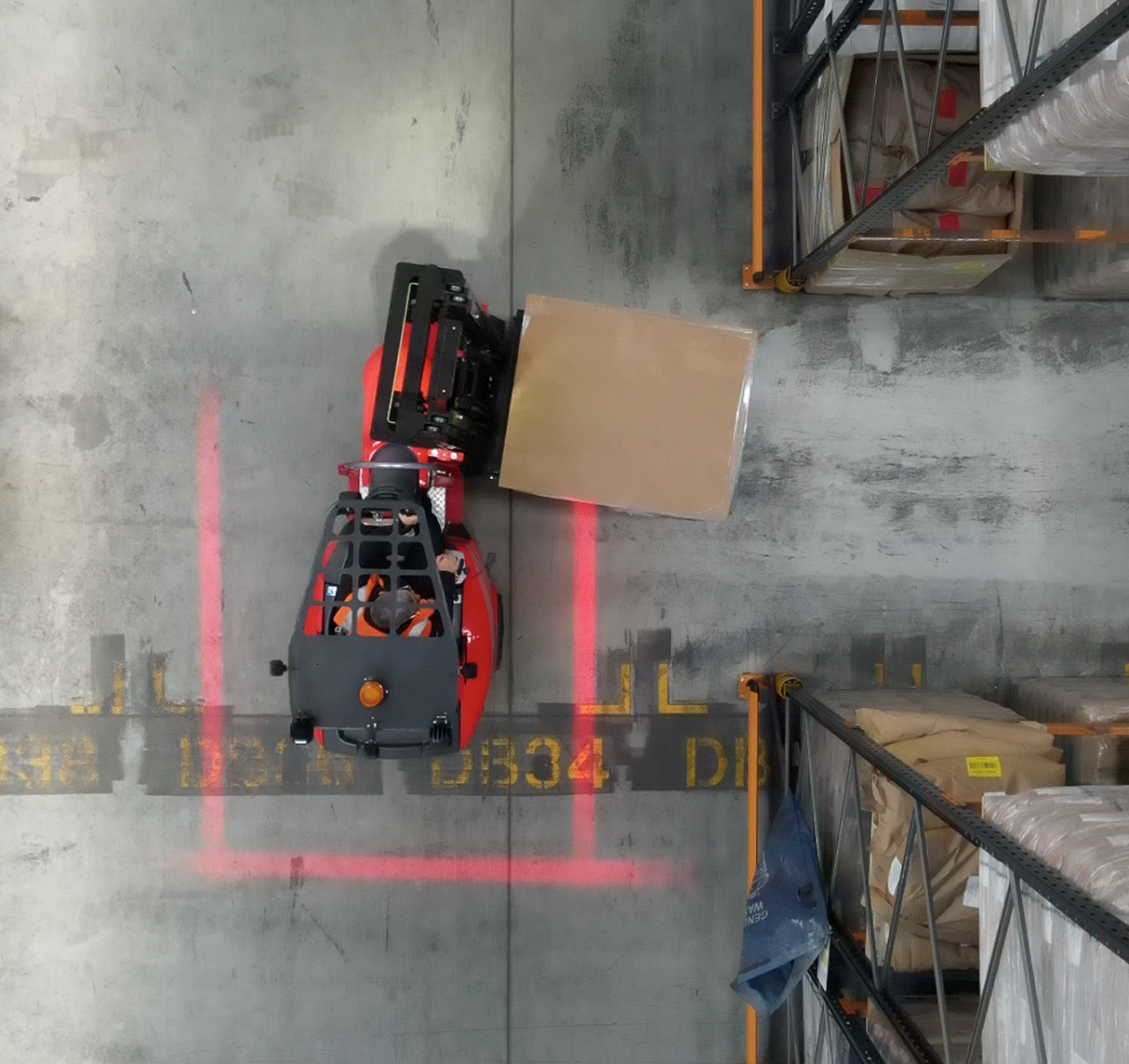
Even a trained operator on a well-maintained truck can be involved in an accident if the site itself isn’t managed safely. Segregating pedestrians from forklift routes, maintaining clear sightlines, enforcing speed limits, and keeping floors clear of obstructions are all basic requirements that are frequently overlooked in busy operations.
A formal traffic management plan is not just good practice, it is expected as part of any reasonable employer’s duty of care. The HSE’s guidance on workplace transport safety provides a solid starting framework, and regular site risk assessments should be part of your standard safety review cycle.
Common forklift hazards and how to address them
Understanding where accidents happen is the first step to preventing them. The most common forklift-related incidents in UK workplaces include:
Pedestrian collisions. The most frequent cause of serious injury. Addressed through physical segregation, high-visibility clothing requirements, and clear signage.
Overturning. Usually caused by cornering too fast, carrying loads that are too heavy, or operating on uneven surfaces. Operator training and pre-use checks are the primary controls.
Falling loads. Often the result of improper load securing or exceeding the rated capacity. Correct operator training and clear load capacity labelling on each truck are essential.
Operator falls. Climbing on and off equipment incorrectly remains a surprisingly common cause of injury. Reinforced through training and site rules.
Mechanical failure. Preventable in the vast majority of cases through regular servicing and consistent pre-use inspection routines.
Pre-use checks: a non-negotiable
Every forklift operator should carry out a documented pre-use check at the start of every shift. This takes five to ten minutes and covers fluid levels, tyre condition, forks and mast, brakes, lights, and any visible damage. Issues identified should be reported immediately and the truck taken out of service until they are resolved.
This is not optional. It is a legal requirement under PUWER and a cornerstone of any credible forklift safety programme. Operators who skip pre-use checks, and managers who allow it, are exposing themselves and their employers to serious liability.
What good forklift services look like in practice
For North East employers, the question isn’t whether to invest in forklift safety, it’s how to do it efficiently and without disruption to operations. The most effective approach is to work with a single supplier who can cover training, servicing, and equipment across your fleet.
At Alcor Handling Solutions, we’ve been supporting businesses across Newcastle, Sunderland, and the wider North East for over 40 years. Our forklift services span the full lifecycle – from helping you choose and specify the right equipment to keeping it maintained, your operators trained, and your site compliant.
We work with businesses of all sizes, from single-truck operations to multi-site fleets. In every case, the goal is the same: equipment that works reliably, operators who know how to use it safely, and an employer who can demonstrate their duty of care.
Book forklift training with Alcor Handling Solutions
Of all the steps a North East employer can take to improve forklift safety, operator training delivers the most immediate and demonstrable impact. It satisfies your legal obligations under PUWER, reduces the likelihood of accidents, and gives your operators the confidence to work safely and efficiently every day.
At Alcor, we deliver RTITB-accredited forklift training for new operators, experienced operators requiring refresher certification, and anyone moving to a different truck type. Courses run at our training centre or on-site at your facility, whichever causes less disruption to your operation.
If you’re unsure whether your current operators are adequately certified, or if it’s been a while since your last refresher programme, now is the right time to review it. Get in touch with the Alcor team to discuss your training requirements and we’ll recommend the right course for your people and your site.